The 4 a.m. Office Building: Why Speed Decides the Bill
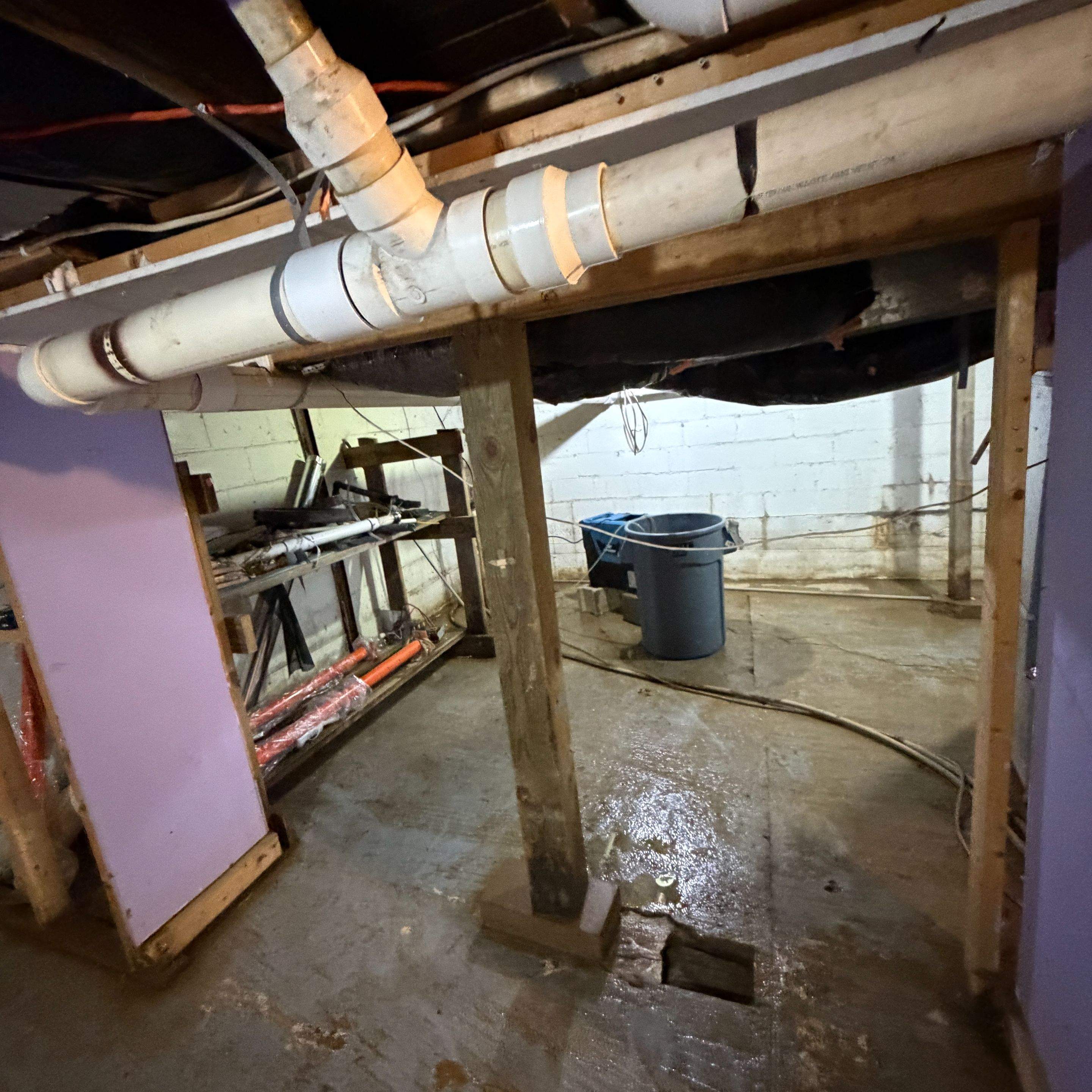
Back to that property manager. By 5:30 a.m. our first truck was on site. By 6:15, two more techs arrived with extractors, and we had killed power to the affected circuits before the server closet became a real problem. The water had traveled through ceiling tiles into two suites below, soaked roughly 9,000 square feet of glue-down carpet tile, and wicked up about 14 inches into the drywall in eleven offices. Category 1 water, clean supply line, but after sitting overnight it was already trending toward Category 2 because of carpet adhesive contamination and dwell time on contents.
Here is what mattered for the owner: we had moisture maps, thermal images, and a documented scope to the insurance carrier before lunch. The adjuster approved emergency mitigation that afternoon. We ran 62 air movers, 14 LGR dehumidifiers, and two desiccants for six days. The tenants worked from home for a week. Total mitigation invoice landed near $38,000, and the building was dry, sanitized, and ready for reconstruction on day seven. If that call had come in at 9 a.m. instead of 5 a.m., we estimate the mold remediation alone would have added $15,000 to $25,000. You can read more about how we handle these calls on our commercial water restoration service page.
One detail worth mentioning: the property manager had a current floor plan and a shutoff valve map saved on her phone. That single piece of preparation saved us close to 40 minutes of guesswork. We tell every facility manager in Cicero to keep those two documents accessible, along with the after-hours numbers for their electrician, plumber, and IT vendor. When something fails at 4 a.m., the buildings that recover fastest are the ones where the first three phone calls are already lined up before the first puddle forms.
The Strip Mall Restaurant: Grease, Sewage, and a Health Inspector
A family-owned restaurant in a Cicero strip center called us on a Saturday night. The shared sanitary line had backed up through three floor drains in the kitchen, and the dining room was filling. Category 3 water, the worst classification, which means everything porous it touched had to go. We pulled the team off two residential jobs and arrived in 40 minutes.
The owner's first question was the right one: when can we reopen? The honest answer was four to six days, not the two he was hoping for. We extracted roughly 600 gallons, removed and bagged contaminated wall base and four feet of drywall, sanitized every stainless surface with an EPA-registered antimicrobial, and coordinated with the local health department for re-inspection. The landlord's insurance covered the structure, the tenant's policy covered the contents and business income loss. The restaurant reopened on day five. Our commercial sewage cleanup protocol is built around exactly this kind of recovery, because in food service every hour the doors are closed costs real money.
What These Three Jobs Have in Common
Every commercial recovery we run shares the same five decision points in the first hour:
- Stop the source, isolate power, and protect critical systems like servers, walk-in coolers, and POS hardware
- Classify the water (Category 1, 2, or 3) so the scope matches the contamination
- Document everything for the adjuster with photos, moisture readings, and a written scope before demolition starts
- Decide what stays open and what closes, because partial operation is often possible with the right containment
- Set realistic timelines for ownership, tenants, and employees so nobody is guessing
The Insurance Conversation Nobody Prepares You For
A Cicero dental practice flooded from a supply line above a suspended ceiling. The owner had a $10,000 deductible and a policy that capped business income loss at 30 days. She did not know either number until we asked. We helped her document the loss, sequenced the work to get treatment rooms back online in 11 days, and her practice manager handled patient rescheduling around our drying schedule. Adjusters move faster when the restoration company speaks their language, uses Xactimate pricing, and provides daily drying logs. That is standard on every commercial job we run.
If your loss involves storm-driven water, our commercial storm damage team handles the roof, envelope, and interior as one project so you are not chasing three contractors.
The Warehouse Roof: Storm Damage You Cannot See From the Floor
One Cicero distribution warehouse called after a spring storm peeled back a section of TPO roofing. From inside, the damage looked like two ceiling stains and a wet pallet. From the roof, we found a 30-foot tear and three days of slow water migration into the insulation deck. The pallets the foreman was worried about were fine. The structural insulation above 8,000 square feet of warehouse was not.
This is where commercial losses get expensive quietly. We brought in a thermal imaging crew, mapped the wet insulation, and worked with the roofing contractor to tarp and dry the deck before reroofing. Eighteen air movers, eight dehumidifiers, fourteen days of drying. The insurance claim totaled $112,000 between mitigation, roof repair, and inventory adjustments. Caught early, it would have been a third of that.
The lesson the operations director took away was simple: schedule quarterly roof walks, especially after any wind event over 45 mph. A $400 inspection would have caught the membrane stress before the storm finished the job.
What You Will Notice When We Arrive
Marked trucks, IICRC-certified techs, a project manager who introduces himself and starts asking questions instead of pulling equipment off the truck. We will walk the loss with you, explain Category and Class on the spot, and tell you honestly whether you need full mitigation or a smaller scope. If we cannot help, or if another trade should lead, we will tell you directly. That has been the Cicero Water Restoration standard since 2018, and it is why facility managers in Cicero keep our number in their phones instead of searching for it at 4 a.m.