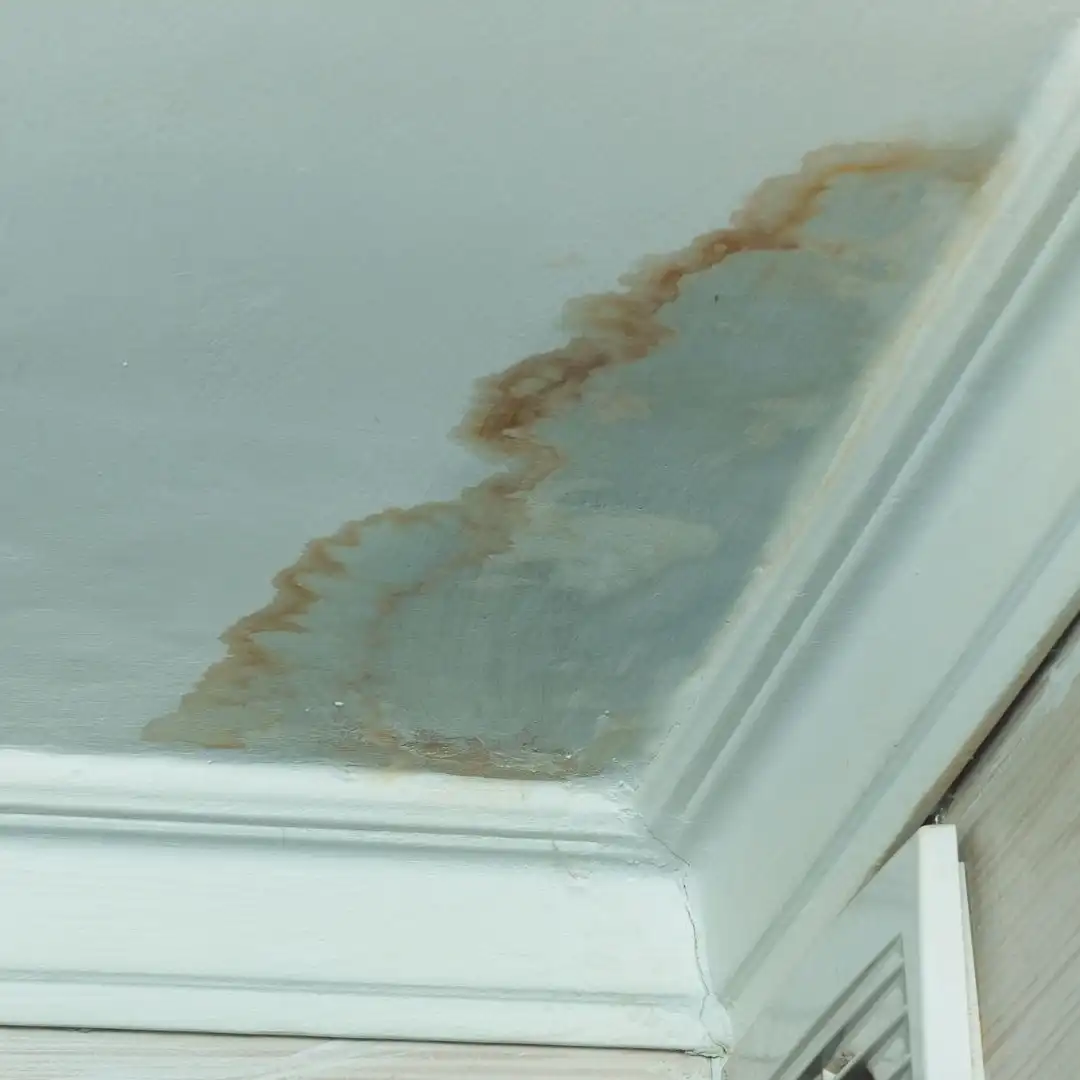
The very first move, before towels or buckets or phone calls, is to stop the water at its source. In most Cicero homes the main shutoff sits where the supply line enters the house, often in a basement, crawl space, or utility closet near the front foundation wall. If the leak is isolated to a fixture, the local angle stop under the sink or behind the toilet will usually do the job, but if you have any doubt at all, kill the whole house. A house without water for an afternoon is an inconvenience. A house with water running for another twenty minutes while you hunt for the right valve is a claim that doubles in size. If the water is anywhere near outlets, a panel, or a light fixture, flip the relevant breakers before you step into the wet area, because category of water matters less than whether the circuit is energized. It is worth knowing where that main shutoff is before you ever need it, and worth testing it once a year so the valve does not seize shut at the moment you most need it to turn. We have seen homeowners standing ankle deep in water wrestling with a corroded gate valve that had not moved in fifteen years, and those minutes cost them thousands.
Once the source is stopped, the next ten minutes belong to documentation and triage. Pull out your phone and take wide shots of every affected room before you move anything, then closer shots of pooled water, soaked baseboards, and any visible damage to ceilings or cabinets. Insurance adjusters are far more generous when they can see the original scene, and our team uses those same photos to build a scope that matches what actually happened rather than what got cleaned up before we arrived. While you are photographing, start lifting anything that can be lifted. Area rugs come up, dining chairs go on tables, electronics get unplugged and moved to dry rooms, and paper goods leave the floor entirely. You are not trying to dry the house at this stage. You are trying to stop secondary damage to your contents. Books, photo albums, and anything with a fabric or paper component will wick water at a frightening rate, and the items you save in those first ten minutes are the ones you would have grieved most if they were lost. If a piece of furniture is too heavy to move, slip aluminum foil or small plastic blocks under the legs to break contact with the wet floor and prevent stain transfer onto carpet or hardwood.
Around the twenty minute mark, the question of what kind of water you are dealing with becomes urgent. Clean supply line water from a burst pipe behaves very differently than a washing machine discharge or a toilet overflow, and the response changes accordingly. We cover the distinctions in detail in our guide to Category 1, 2, and 3 water damage, but the short version is this: if the water came from a clean source and has been sitting less than 24 hours, you can handle initial extraction with towels and a wet vac without much risk. If it came from a drain, a toilet beyond the trap, or any sewage source, stop, leave the area, and call a professional. Category 3 water carries pathogens that home cleaning will not address, and walking through it tracks contamination into dry parts of the house. Even clean water turns dirty over time as it sits and pulls contaminants out of building materials, which is another reason the first hour matters so much. A leak that started as Category 1 at breakfast can be Category 2 by lunch if nobody has touched it.
Making the Right Calls in the Right Order
Somewhere between minute thirty and minute forty five, you should be on the phone, and the order of those calls matters more than most people realize. Call a restoration contractor first, not your insurance company. A reputable restoration company can be dispatched and on site in most cases within 2 hours, and they will document the loss in the language adjusters expect. Then call insurance, because they will want a claim number started but cannot do anything physical to stop the damage. If the leak came from a plumbing failure, a plumber is the third call, and only the third, because a plumber will not extract water or set drying equipment. At Cicero Water Restoration we run free assessments, and if we arrive and decide the situation does not warrant professional mitigation, we will tell you directly rather than write a scope you do not need. When you are talking to your insurance carrier, write down the claim number, the adjuster name, and the time of the call, because in the chaos of a loss those details vanish from memory by the next day. Ask the carrier whether they have a preferred vendor list, but know that you are not obligated to use it. The homeowner chooses the contractor in Cicero, and a carrier suggestion is exactly that, a suggestion.
The Last Fifteen Minutes Before Help Arrives
The final fifteen minutes of that first hour are about containment and airflow, with a caveat. If the water is clean and confined to one area, opening windows and running ceiling fans helps. If you have central air, turning the system to fan only and lowering the thermostat pulls moisture out of the air faster than fans alone. What you should not do is rip up flooring, cut drywall, or start tearing out cabinets before a professional has done a moisture map. We have walked into too many homes where well meaning homeowners pulled up hardwood that could have been saved with mat drying, or cut drywall at random heights that made the eventual repair twice as expensive. If you are unsure whether your situation calls for professional help at all, our breakdown of drying your home out yourself walks through the decision honestly. And if you do see signs of a burst pipe behind a wall rather than a visible fixture leak, that is a situation where the first hour really does need professional eyes on it. Use those final minutes to gather a few things that will make the response smoother once a crew arrives. Pull together your insurance policy or at least the carrier name and phone number, clear a path from the driveway to the affected area, and move pets to a closed room so they are not underfoot while extraction equipment is being staged. Small preparations like these shave real time off the start of mitigation, and in water damage every saved minute shows up later as saved square footage of flooring, drywall, and cabinetry.